City history
1830
1961
1997
1998
Culture and traditions
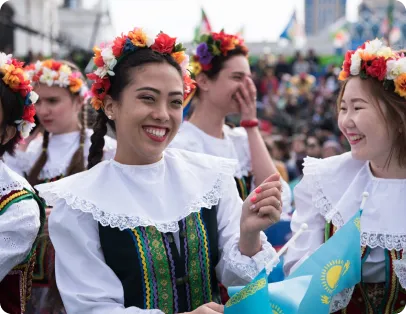
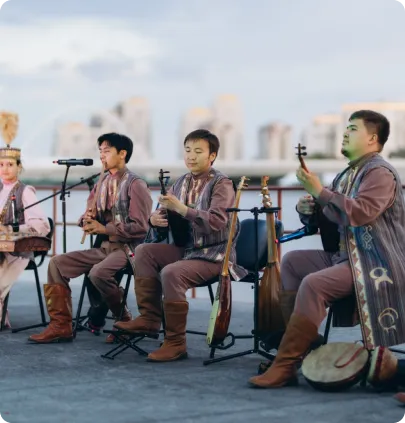
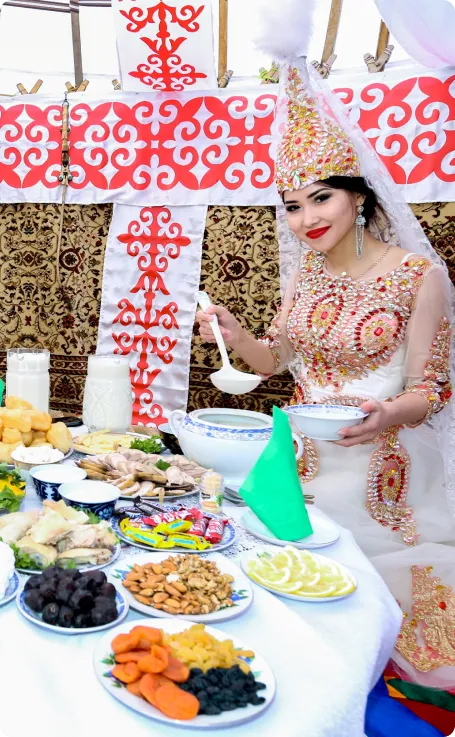
Astana is a city where cultural heritage is carefully preserved while creating a modern identity. Here, the national traditions of Kazakhstan are organically woven into the rhythm of the dynamic capital, forming a unique atmosphere of openness, respect and diversity. The cultural life of the city is based on the traditions of the nomadic people: respect for elders, hospitality, unity with nature and reverence for family. These values are felt not only in holidays and rituals, but also in the daily life of the city - in the warm attitude towards guests, the desire for dialogue and mutual understanding.
National holidays occupy a special place in the life of Astana. Nauryz, Capital Day, Independence Day are celebrated on a grand scale and brightly, uniting residents and guests of the city. Squares and parks are filled with concerts, fairs, national games and theatrical performances. The cultural space of the capital is rich and diverse. Theaters, museums, galleries and concert halls coexist with modern art spaces, street culture festivals and international exhibitions. Astana has become a platform for dialogue between different cultures, where traditional art and modern forms of self-expression meet.