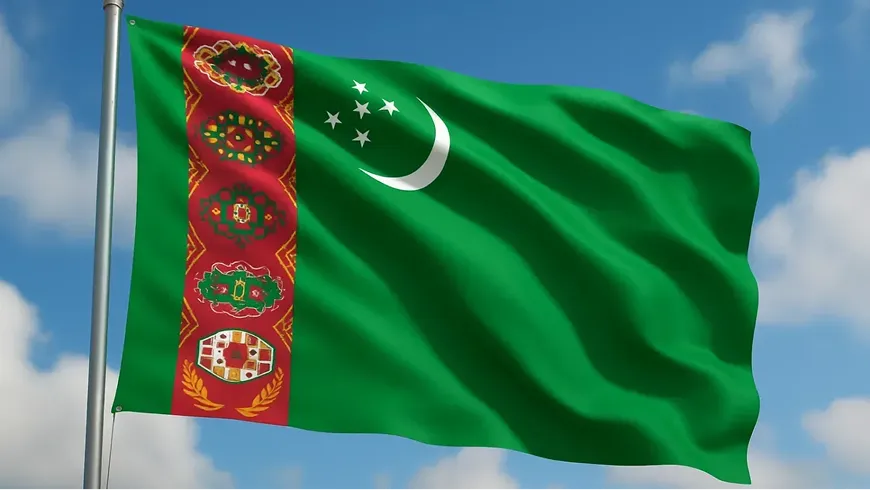
Administrative and General Information
Turkmenistan is an independent state in Central Asia with the status of permanent neutrality, recognized by a resolution of the United Nations General Assembly on December 12, 1995. The total area of the country is 491.21 thousand square kilometers. According to the official data of the comprehensive population and housing census, as of December 17, 2022, the population is 7,057,841 people. Administratively and territorially, Turkmenistan consists of 5 welaýats (Ahal, Balkan, Dashoguz, Lebap, and Mary), as well as the cities of Ashgabat and Arkadag, which have the status of cities of national significance. The country includes 37 etraps, 7 urban etraps, 48 cities, 70 urban-type settlements, 461 gengeshliks, and 1,691 rural settlements. The capital, Ashgabat, is the political, administrative, and diplomatic center of the country, known for its white marble architecture and listed in the Guinness Book of Records. Turkmenistan also holds a strategic geographical position, connecting Central Asia with the Caspian region, the Middle East, and South Asia.
Natural-Geographical Profile and Climate
About 80% of the country’s territory is occupied by the Karakum Desert. Turkmenistan’s natural structure includes desert, mountainous, and marine (Caspian) ecosystems. The climate is sharply continental and extremely arid. Summers are characterized by extremely high temperatures (up to +50 °C), while winters are relatively mild. Precipitation is limited and falls mainly during the winter-spring period.
 +50 in the summer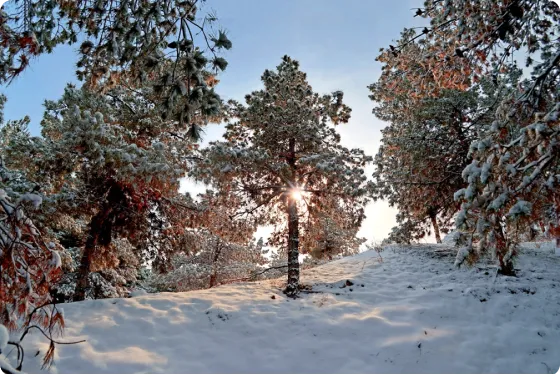
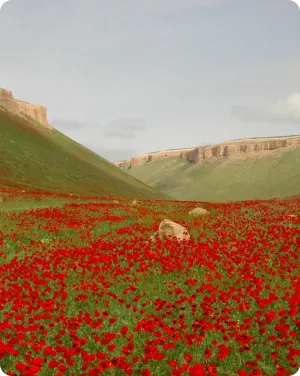
National Cultural Heritage
Turkmenistan’s cultural heritage includes Akhal-Teke horses, the Turkmen Alabai dog, traditional carpet weaving, as well as the ancient cities of the Great Silk Road.
Strategic Vision
Turkmenistan’s strategic development is being carried out within the framework of a course toward sustainable, socially oriented, and environmentally responsible development. The long-term policy is based on the program “Revival of the New Era of a Powerful State: National Program for the Socio-Economic Development of Turkmenistan for 2022–2052.” The following are also being implemented:
- 1Program of the President of Turkmenistan for the socio-economic development of the country for 2022–2028
- 2National Program of the President of Turkmenistan for transforming the social and living conditions of the population until 2028
- 3Concept for the Development of the Digital Economy in Turkmenistan for 2026-2028
The strategic vision is based on the political principles formulated by the National Leader of the Turkmen people, Chairman of the Halk Maslahaty of Turkmenistan Gurbanguly Berdimuhamedov, and consistently implemented by the President of Turkmenistan Serdar Berdimuhamedov. These principles imply a combination of economic development with environmental safety, the introduction of green technologies, and the expansion of international cooperation.

Turkmenistan’s Initiatives on the International Stage
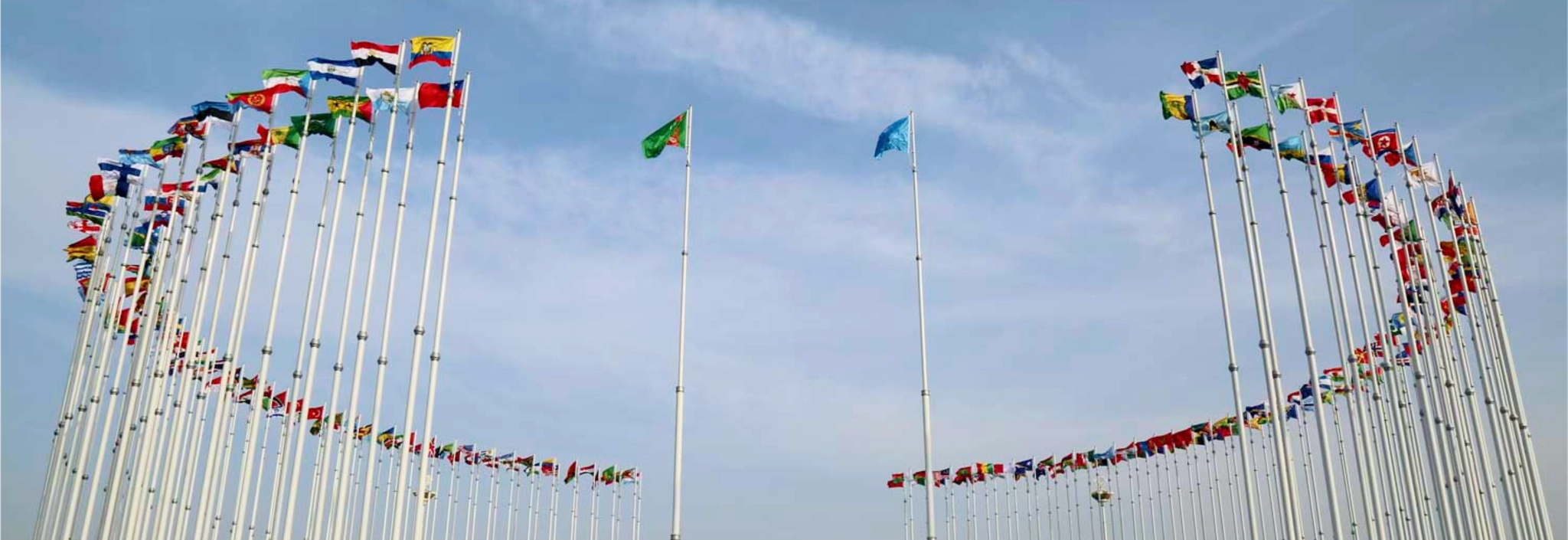
Turkmenistan actively promotes environmental initiatives on the UN platform. At the 80th session of the United Nations General Assembly, President of Turkmenistan Serdar Berdimuhamedov put forward a number of key initiatives:
- - The creation of a Regional Center for Combating Desertification for the countries of Central Asia, aimed at consolidating efforts to combat land degradation and climate change
- - The promotion of the Caspian Environmental Initiative as a platform for preserving the ecosystem of the Caspian Sea and the sustainable use of its resources
- - Strengthening international cooperation in the field of environmental protection, rational use of natural resources, and achievement of the Sustainable Development Goals
Turkmenistan views the environmental agenda as a crucial element of regional and global sustainability.
Modern Projects
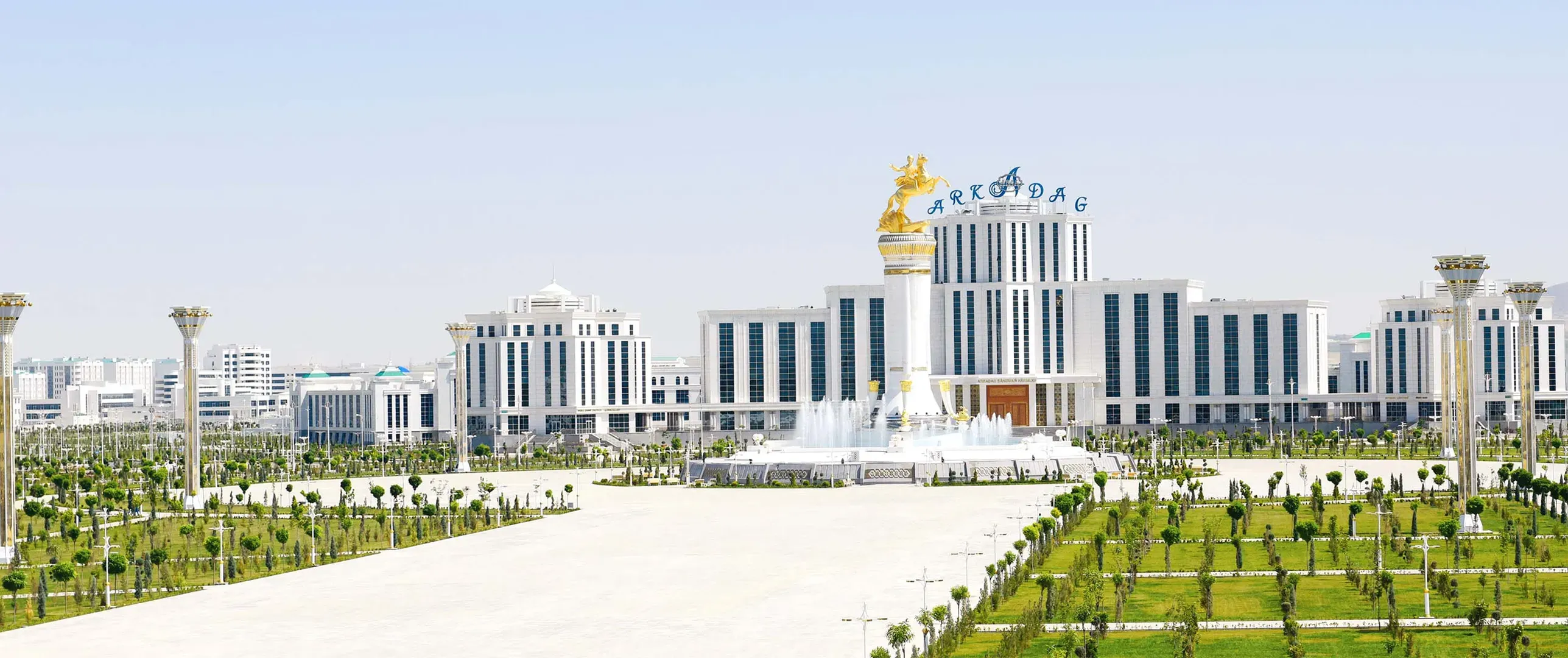
Among the modern initiatives are:
- - the construction of the city of Arkadag as an environmentally oriented “smart city”
- - the introduction of digital technologies into governance and the economy
- - the development of a green economy and resource-saving technologies
Role in the Region
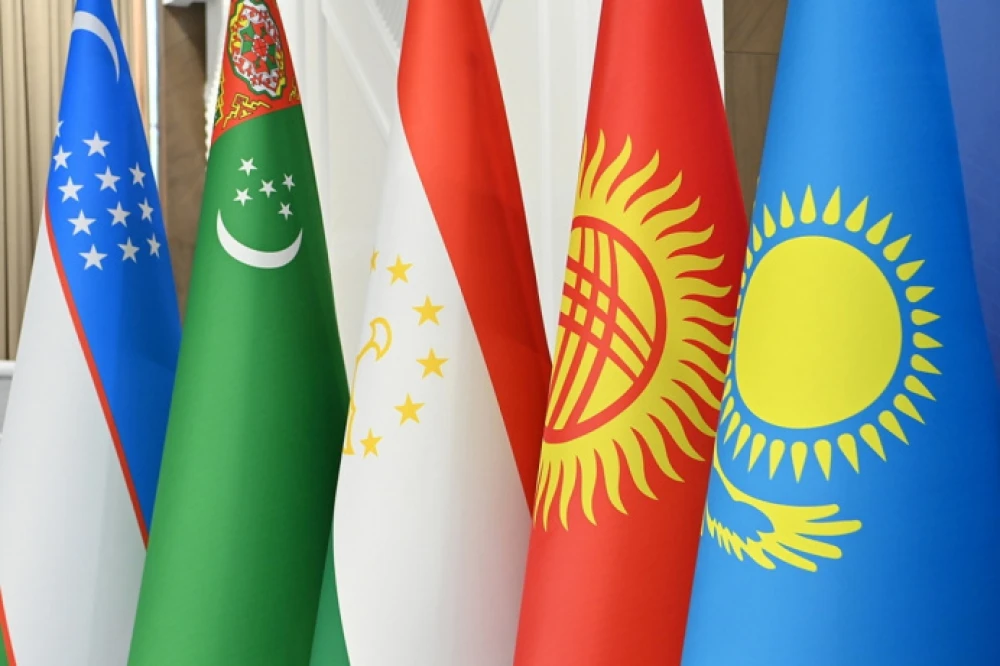
Turkmenistan acts as an active participant in regional cooperation in Central Asia and an initiator of new forms of interaction in the fields of ecology, climate, and sustainable development.